Main TOPIC
I use AI daily to speed up certain parts of my work. I treat it almost like a collaborator because I don’t want to lose my essence or dehumanize what I create. At the same time, industry demands are pushing us to simplify processes, so I’m using it more and more.
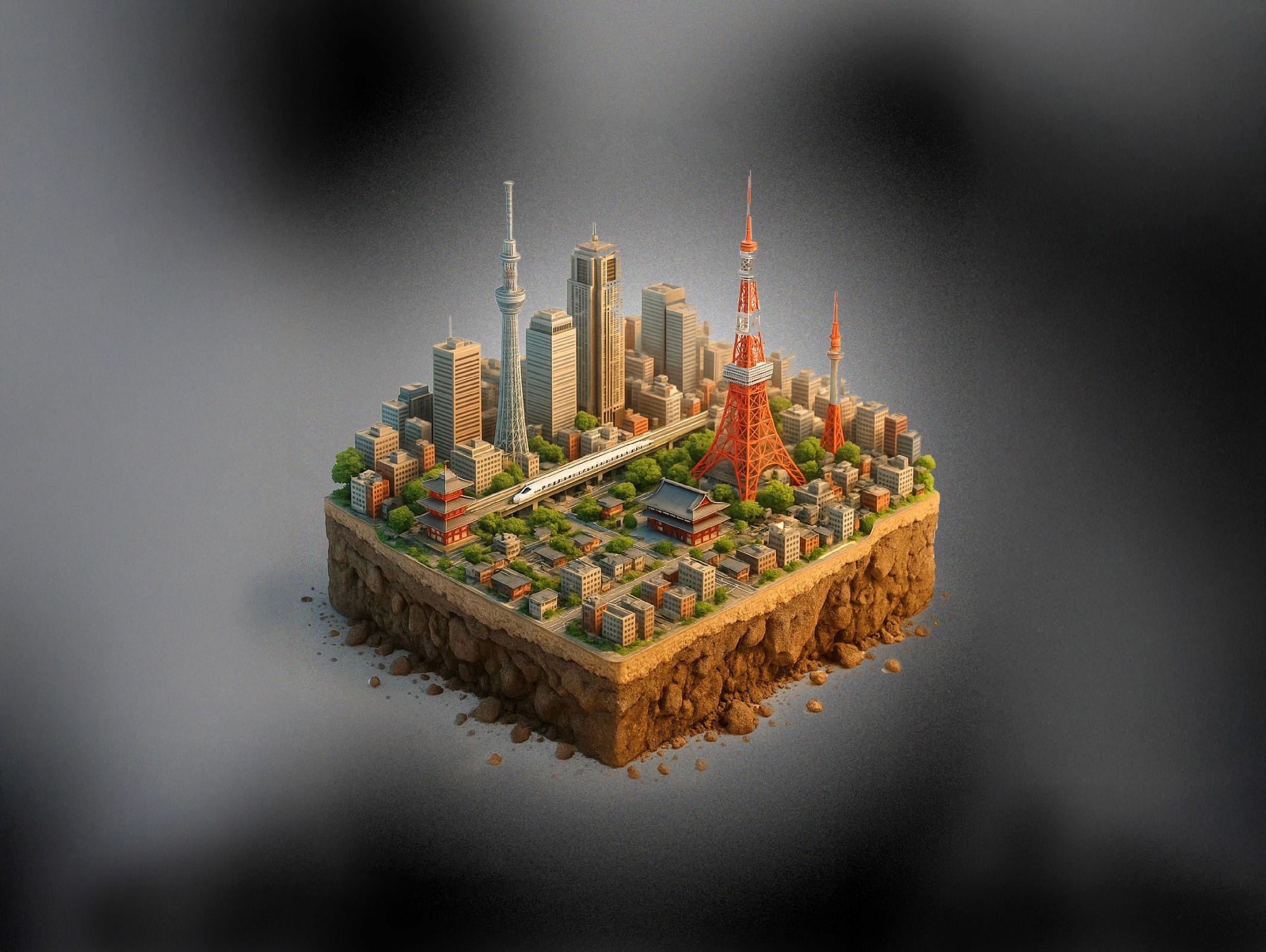
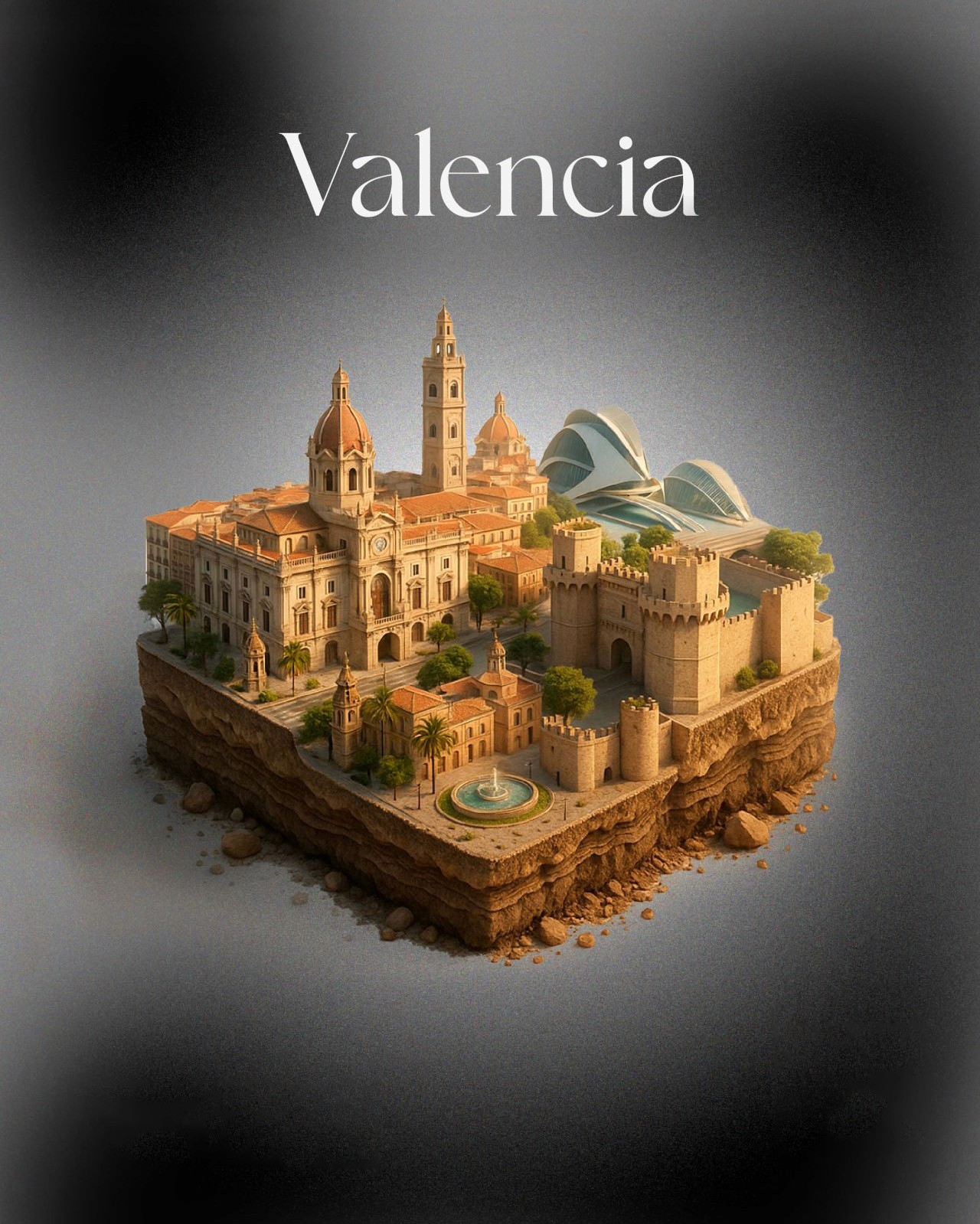
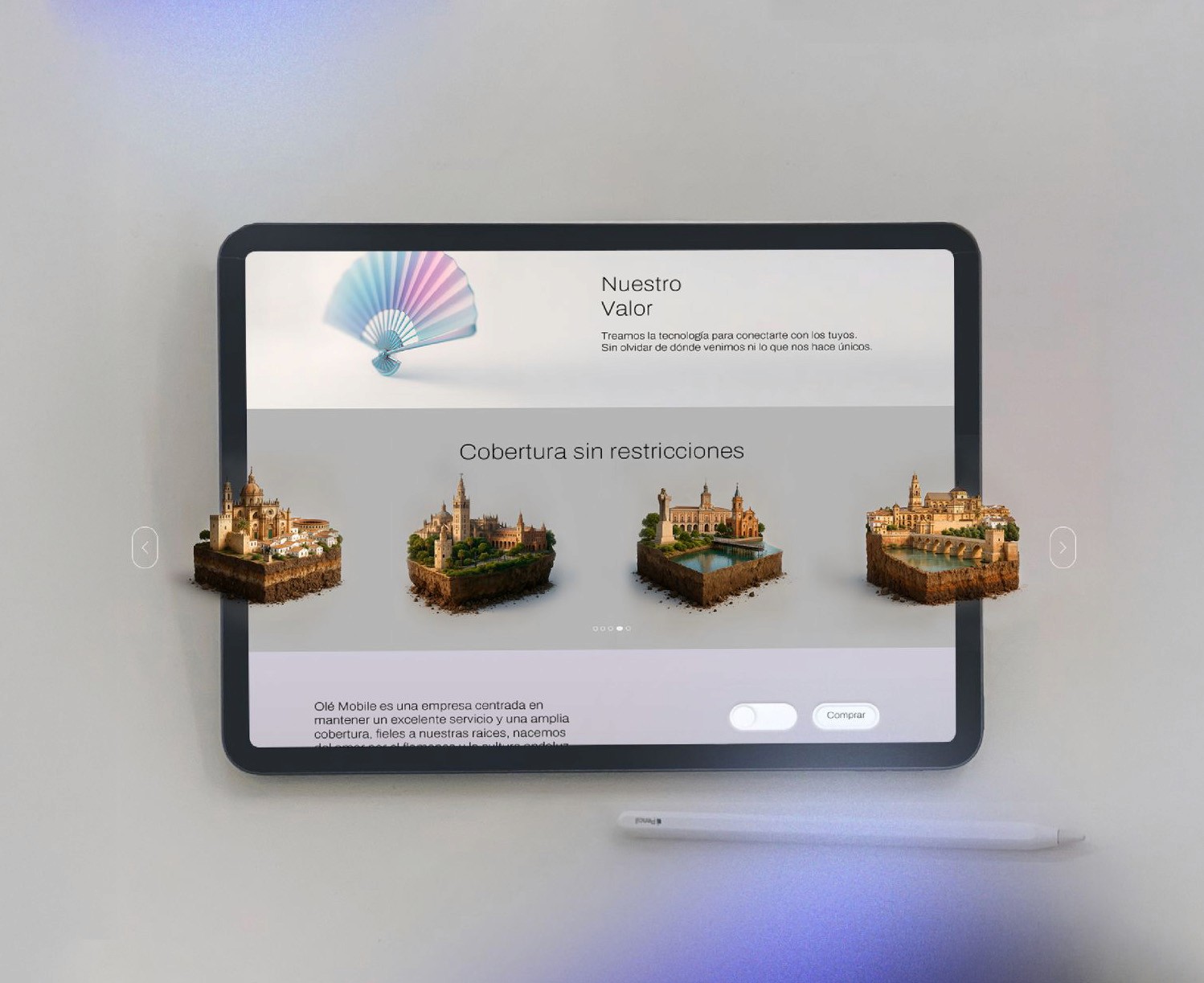
Here’s a prompt I used to create a diorama of several cities in Spain for a company project. I could have modeled it in 3D myself, but for a simple website interaction meant to enhance user experience, it wasn’t worth the extra time. So I used AI — and chose my favorite cities.
What I value most is this: it’s still my style, my creative direction, and my design solution — even in the simplest details.
CORE
Stylish hyper-realistic square diorama of (City) with iconic landmarks, cross-section showing detailed soil layers and debris. Photorealistic PBR textures, slightly stylized proportions, premium architectural model aesthetic. Soft global illumination, warm natural sunlight, subtle ambient occlusion, clean white background. Isometric camera with slight tilt, depth of field, high-detail rendering.
Keys
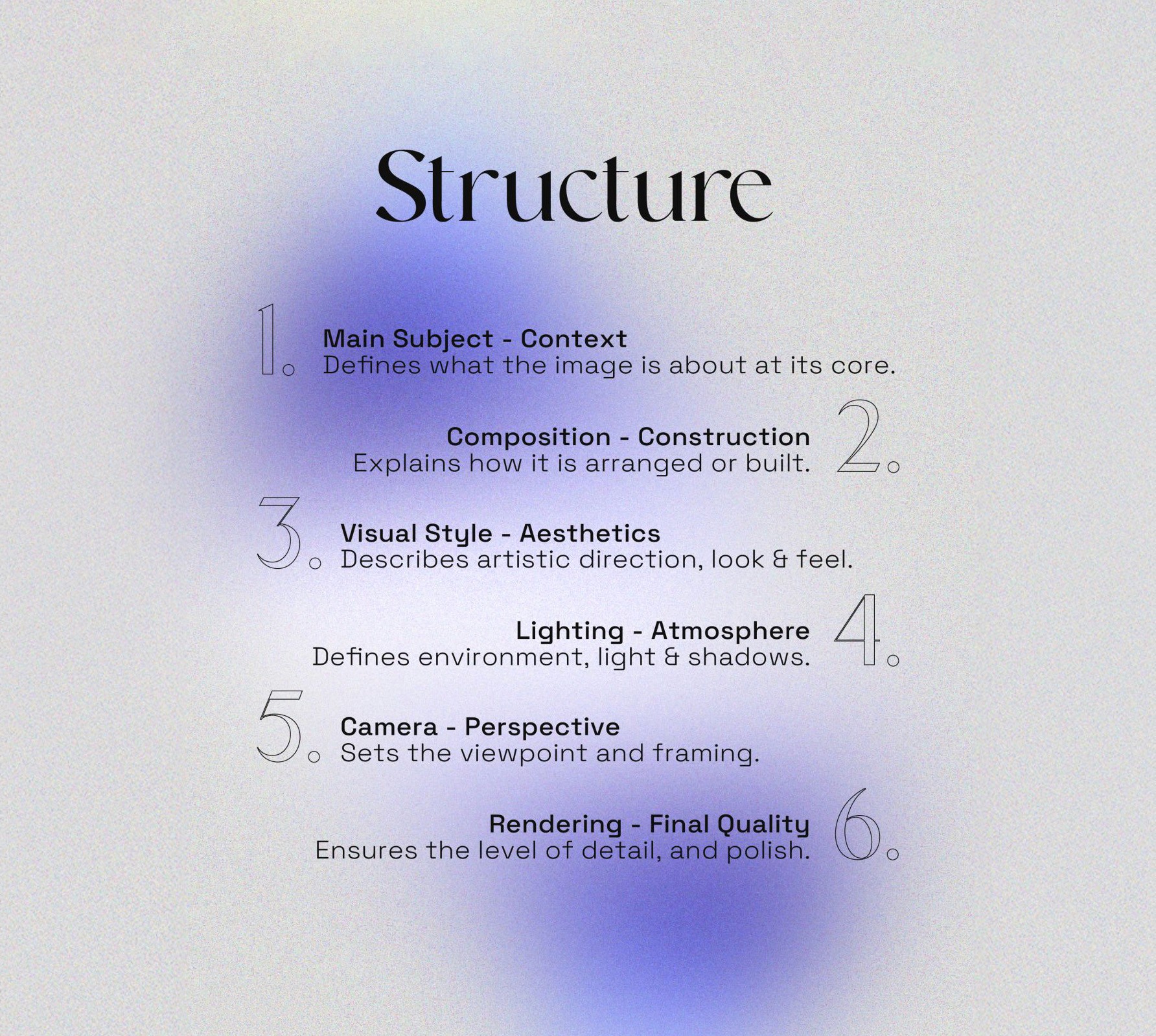
A prompt is not a description, it is creative direction. When we write without structure, the result is random. When we structure it, we design the outcome. Structure transforms AI into an amplifier, not a machine of surprises.
But there’s a key point many overlook—not all engines interpret the same way.
Each model has its own logic, visual sensitivity, and way of processing language; the same prompt will not produce the same result across different engines.